 Job Interviews
October 08, 2026
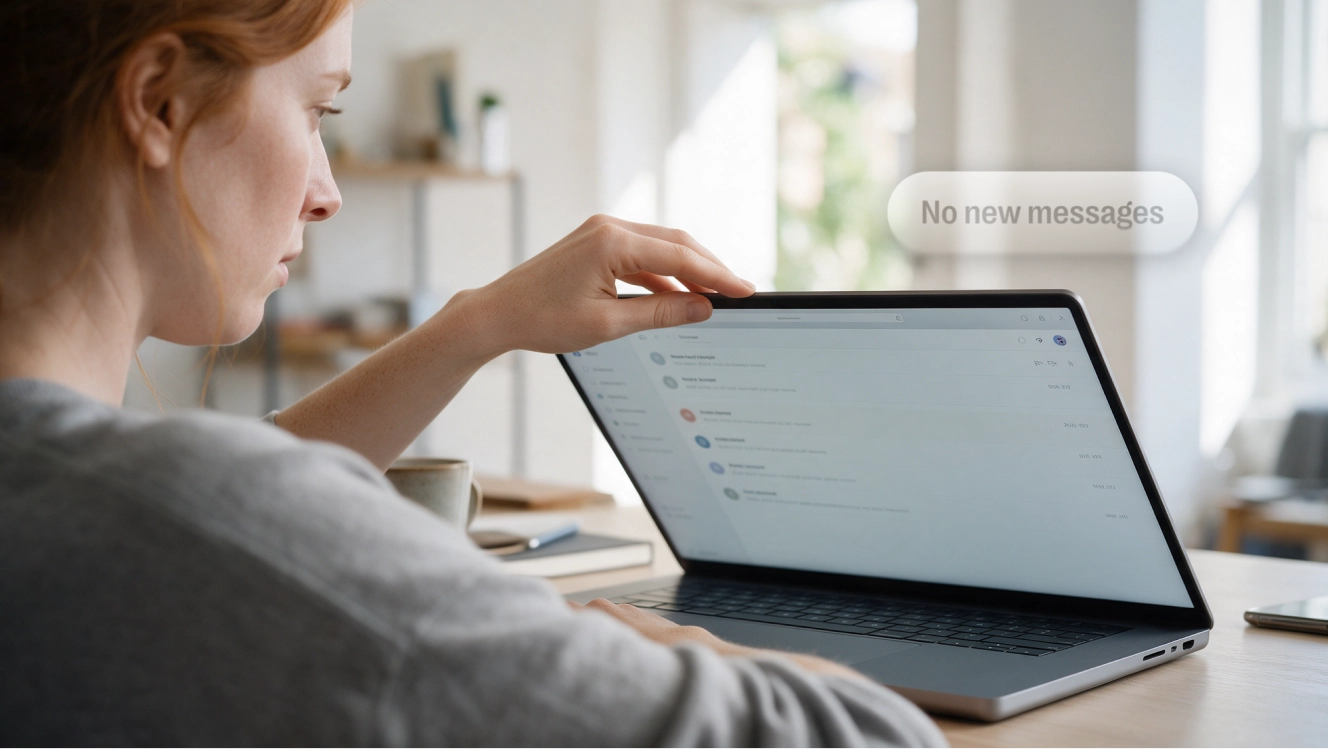
Ghosted After an Interview? What It Means & Next Steps
Ghosted after an interview? Learn what silence really means, how long to wait, what email to send as a follow up, and when to move on.

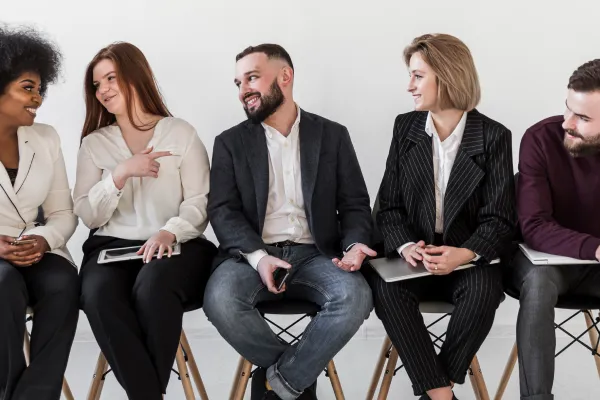
One-to-one. Group. Panel. Which types of interviews have you attended?
The most common is the 1:1, where a single interviewer engages with a single candidate.
Most job seekers are familiar with this format. Probably you’ve sat through dozens of these yourself. In this post, we’ll focus on the lesser-known group and panel formats.
We'll delve into the differences between these, why employers use them, and share tips on how to excel in either.
A group interview involves multiple candidates being interviewed simultaneously within the same time slot.
This format is often used for entry-level or junior positions, particularly in fields like sales, customer service, or roles where interpersonal skills are critical.
Why do employers like group interviews? Well, with many candidates being assessed at once, group interviews save time and resources. They can see firsthand how candidates collaborate and communicate in a team setting, which means they are more easily able to compare their strengths and weaknesses. They can then whittle this down to a more manageable shortlist.
“I attended a group interview back when I graduated. It was for a sales associate job with a major retailer. We first had to do a role-play exercise to sell a product to the interviewers. I was a bit nervous, but the feedback was that I presented the product effectively. What got me to the next stage was because they liked that I encouraged my team and gave them helpful suggestions. Also that I asked specific questions about the role. I got offered the job!” - Jane N
Group interviews can be intimidating for candidates, especially when you’re vying for attention alongside several others. The key is to balance confidence with collaboration. Employers are not just looking for individual stars, but for individuals who can shine within a team. Your ability to handle group dynamics, contribute meaningfully, and support others can set you apart.
“Oh boy. I’m ashamed to say that I completely tanked a group interview a few years ago. It was with five others. I figured that if took the lead in the conversation, the interviewers would appreciate my leadership skills. Nope. They told me I was too dominant, interpreting my suggestions as interrupting and dismissive. It wasn’t my intention, but I was trying so hard to impress that it rubbed everyone the wrong way. Obviously I didn’t get invited back. I won’t make that mistake again!” – Mike Y
In a panel interview, multiple interviewers meet with a single candidate simultaneously.
This format is typically used for specialist or senior roles that require collaboration across different departments.
Companies like panel interviews when they need to evaluate different aspects of a candidate’s qualifications and fit for the role from a cross-functional perspective.
It also means that stakeholders from various departments can ask questions relevant to their specific needs and concerns. Not to mention, doing a single interview with multiple stakeholders at the same time is much more efficient than scheduling multiple one-on-one interviews.
“I’d never had a panel interview before, so I was a bit daunted by what to expect. It was for a Chief Marketing Officer job with four interviewers – HR, CEO, Sales Director, and Head of Communications. I read up about panel interviews beforehand. I researched each interviewer and practised the questions I figured each would ask. The interview went really smoothly. I ultimately didn’t accept the offer because of the hours involved, but I found the interview very stimulating.” – Simka L
While more focused on the individual, panel interviews can be quite nerve-wracking for job seekers if they go in unprepared. Each panel member might have a different focus, ranging from technical skills to cultural fit. So you have to be on your toes throughout the interview (and do your research beforehand).
“I admit I could have done a lot better at a recent panel interview. I wasn’t expecting questions from so many different angles. I’m afraid I rather rambled on a bit. It was made worse because I knew one of the interviewers, so I kept looking at him instead of the others. I wasn’t offered the job unfortunately. I wish I’d done my research before the interview. I was too confident.” – Alojz S
Understanding the dynamics and expectations of group and panel interviews can significantly enhance your preparation and performance.
While group interviews highlight your ability to work collaboratively and stand out in a crowd, panel interviews allow you to demonstrate depth, versatility, and your fit within the broader organization.
Doing job interviews can be challenging, but success comes down to preparation and fit. Whether you’re stepping into a group interview, facing a panel, or sitting down for a one-to-one, understanding the format and what employers are looking for can make all the difference.
Ready to up your interview game? We’ve got a fantastic on-demand video course to help you prepare for any interview scenario. Register at <www.jobleads.com> and get started right away!
And while you’re at it, download your FREE copy of our expert-produced guide, "Mastering the Interview."
For more insights, tips and strategies related to this topic, be sure to read our other articles: How to Decode Interview Feedback to Smash the Next One! & 5 Bad Interviews | Lessons Learned and Tips for Success & How to Prepare for Job Interviews with AI - Questions & Prompts.

Co-Founder and Managing Director
Jan Hendrik von Ahlen is the co-founder of JobLeads, a career platform built exclusively for job seekers. He co-founded JobLeads with Christian von Ahlen and Martin Schmidt in 2007 with a clear mission: to give candidates the tools, insights, and support they need to take control of their job search. Under his leadership, JobLeads has grown into a subscription-funded platform serving 20 million users across 40+ countries, with AI-powered job matching, a 40,000+ headhunter network, and end-to-end career support.
Job InterviewsGhosted after an interview? Learn what silence really means, how long to wait, what email to send as a follow up, and when to move on.
 Job Interviews
Do you need to ask questions in an interview? Here's when it matters and the best questions to ask in an interview that will reveal specifics about the company.
 Job Interviews
Go through an eight-step diagnosis on why you're not getting interviews. Discover ways to improve your strategy and win more job interviews.